Tet Holiday Activities in Hanoi Old Quarter
A Complete Spring Experience in the Heart of the Capital
Every Lunar New Year, Hanoi takes on a completely different rhythm. The usual hustle and bustle fade away, giving way to a slower, more contemplative pace filled with emotion and nostalgia. Among all areas of the city, Hanoi’s Old Quarter remains the place where the spirit of traditional Tet is most vividly preserved—where past and present blend seamlessly through narrow streets, ancient temples, and old family homes.
During the Tet holiday, especially in the Year of the Snake, Hanoi hosts a wide range of cultural and tourism activities. These carefully curated experiences offer both locals and visitors an authentic way to enjoy Tet—intimate, meaningful, and deeply rooted in Vietnamese cultural heritage.
What Makes Tet in Hanoi’s Old Quarter So Special?
How Is the Old Quarter Different During Tet?
On ordinary days, the Old Quarter is lively, crowded, and full of energy. During Tet, however, it reveals a very different charm. Life slows down, many shops close for the holiday, and the streets become unexpectedly peaceful—an atmosphere rarely found in the city center.
Familiar streets feel more open and inviting, perfect for leisurely walks and quiet moments of reflection. The essence of Tet is clearly visible through traditional decorations, cultural installations, and thoughtfully curated spaces at heritage houses, communal halls, and historic landmarks throughout the Old Quarter.
The Old Quarter – Where Traditional Tet Comes to Life
Unlike many other areas, Tet in Hanoi’s Old Quarter is not just about entertainment; it is a vivid re-creation of traditional Vietnamese New Year customs. Through cultural programs such as “Tet Viet – Tet Pho”, visitors gain deeper insight into the rituals, beliefs, and spiritual life of Hanoians during the first days of the year.
Iconic locations including the Heritage House at 87 Ma May Street, Kim Ngan Communal House (Hang Bac Street), and the Old Quarter Cultural Exchange Center are transformed into traditional Tet spaces. These settings evoke images of old Hanoi homes, Tet feasts, flower displays, red calligraphy couplets, and family gatherings welcoming the new year.
The Best Time to Experience Tet in the Old Quarter
- Before Tet (23rd–29th day of the lunar December): A lively atmosphere of preparation, exhibitions, and cultural displays.
- New Year’s Eve & the first day of Tet: A serene, sacred ambiance ideal for spring outings, temple visits, and peaceful strolls.
- From the 2nd to the 5th day of Tet: The most vibrant period, featuring experiential activities, traditional performances, exhibitions, and festivals.
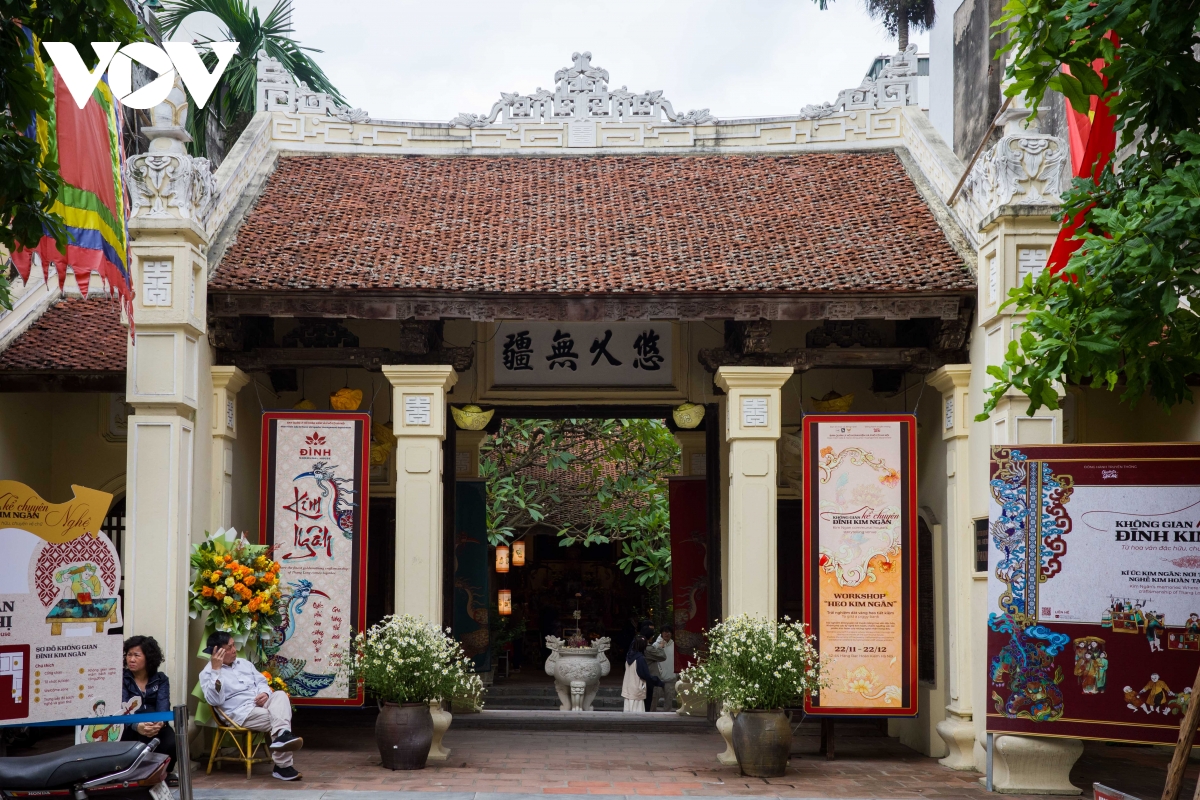
Kim Ngan Temple
Must-Experience Traditional Activities During Tet in Hanoi’s Old Quarter
1. Immerse Yourself in the “Tet Viet – Tet Pho” Cultural Space
One of the highlights of Tet in the Old Quarter is a series of cultural rituals deeply rooted in Vietnamese tradition, including ceremonial offerings at communal houses, ancestral announcements, and the traditional raising of the New Year bamboo pole (cay neu).
A particularly meaningful event is the ceremonial procession that starts from the Heritage House at 87 Ma May, passes through several Old Quarter streets, and concludes at Kim Ngan Communal House, creating an atmosphere that is both solemn and warmly communal.
Kim Ngan Communal House is decorated according to the 12 zodiac animals, and hosts cultural talks with researchers on traditional Tet customs, folk beliefs, and the refined art of flower appreciation during spring.
In 2026, these activities are part of the extended cultural program “Tet Viet – Tet Pho 2026”, which will take place from January 17 to March 17, 2026. The program aims to recreate, preserve, and promote traditional Tet cultural values within the unique heritage setting of Hoan Kiem Lake and Hanoi’s Old Quarter.
The official opening ceremony will be held at 9:00 AM on January 17, 2026, at the Center for Cultural and Arts Activities, 22 Hang Buom Street, Hoan Kiem District, Hanoi - marking the beginning of two months of vibrant cultural experiences for both residents and visitors.
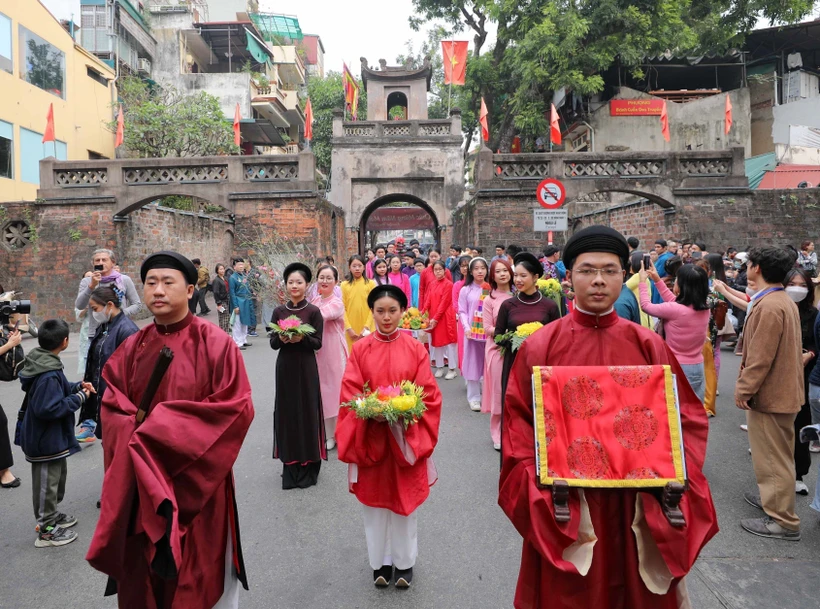
A ceremonial procession sets off from the Heritage House at 87 Ma May Street
2.Discover Old Hanoi’s Tet at Heritage Houses and Cultural Centers
For those eager to explore Tet as it was celebrated by Hanoians in the past, the Heritage House at 87 Ma May Street is an essential stop. Here, the Tet lifestyle of a traditional Hanoi family is carefully reconstructed—from ancestral altars and festive meals to everyday customs during the New Year.
Visitors can also take part in hands-on activities such as wrapping and boiling banh chung, while learning about traditional handicrafts including folk paintings, ceramics, calligraphy, and handmade toys showcased at cultural centers throughout the Old Quarter.
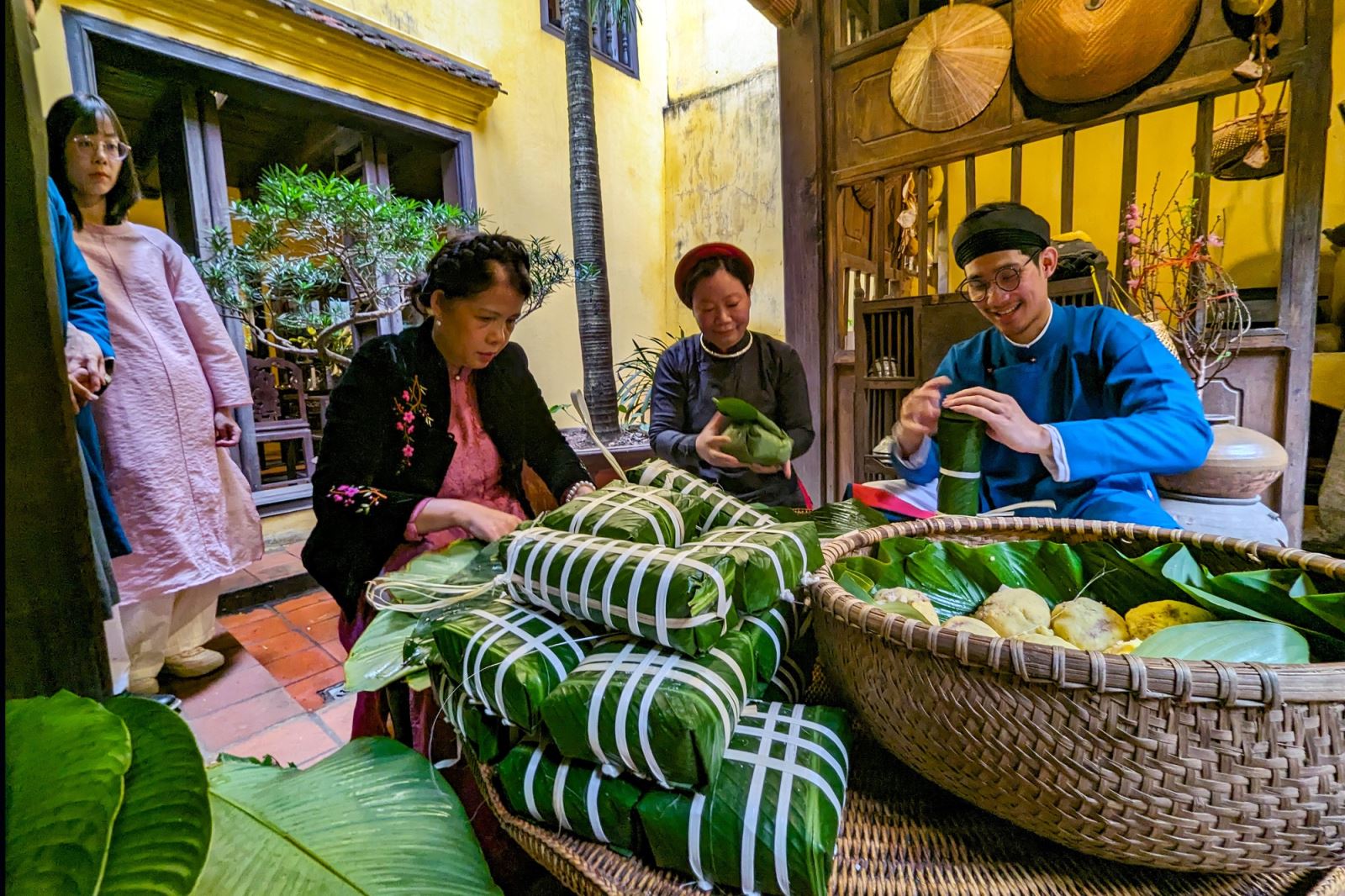
Traditional banh chung making at the Heritage House, 87 Ma May Street
3. Calligraphy and Scholarly Traditions at the Temple of Literature
The Spring Calligraphy Festival at the Temple of Literature – Quoc Tu Giam is a spiritually significant Tet tradition. The area around Ho Van Lake becomes a gathering place where people seek calligraphy for good fortune, wisdom, and a promising start to the year.
Alongside calligraphy, thematic exhibitions offer deeper insight into Hanoi’s history and its long-standing tradition of respect for learning and scholarship.
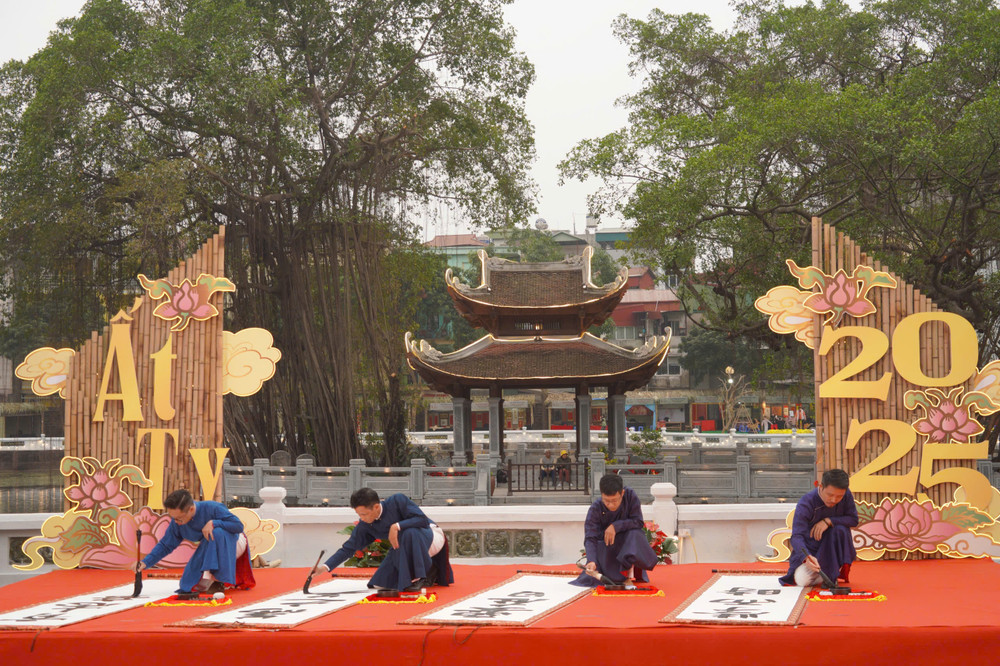
A vibrant Spring Calligraphy Festival at the Temple of Literature
4. Enjoy Traditional Performing Arts in Heritage Spaces
Tet in Hanoi’s Old Quarter is also an ideal time to experience traditional Vietnamese performing arts. Highlights include free water puppet shows at the Thang Long Imperial Citadel, as well as the exhibition “Hanoi Through the Seasons of Flowers” and reenactments of royal Tet rituals from ancient times.
These activities are not only entertaining but also provide visitors with a deeper appreciation of Hanoi’s thousand-year cultural legacy.
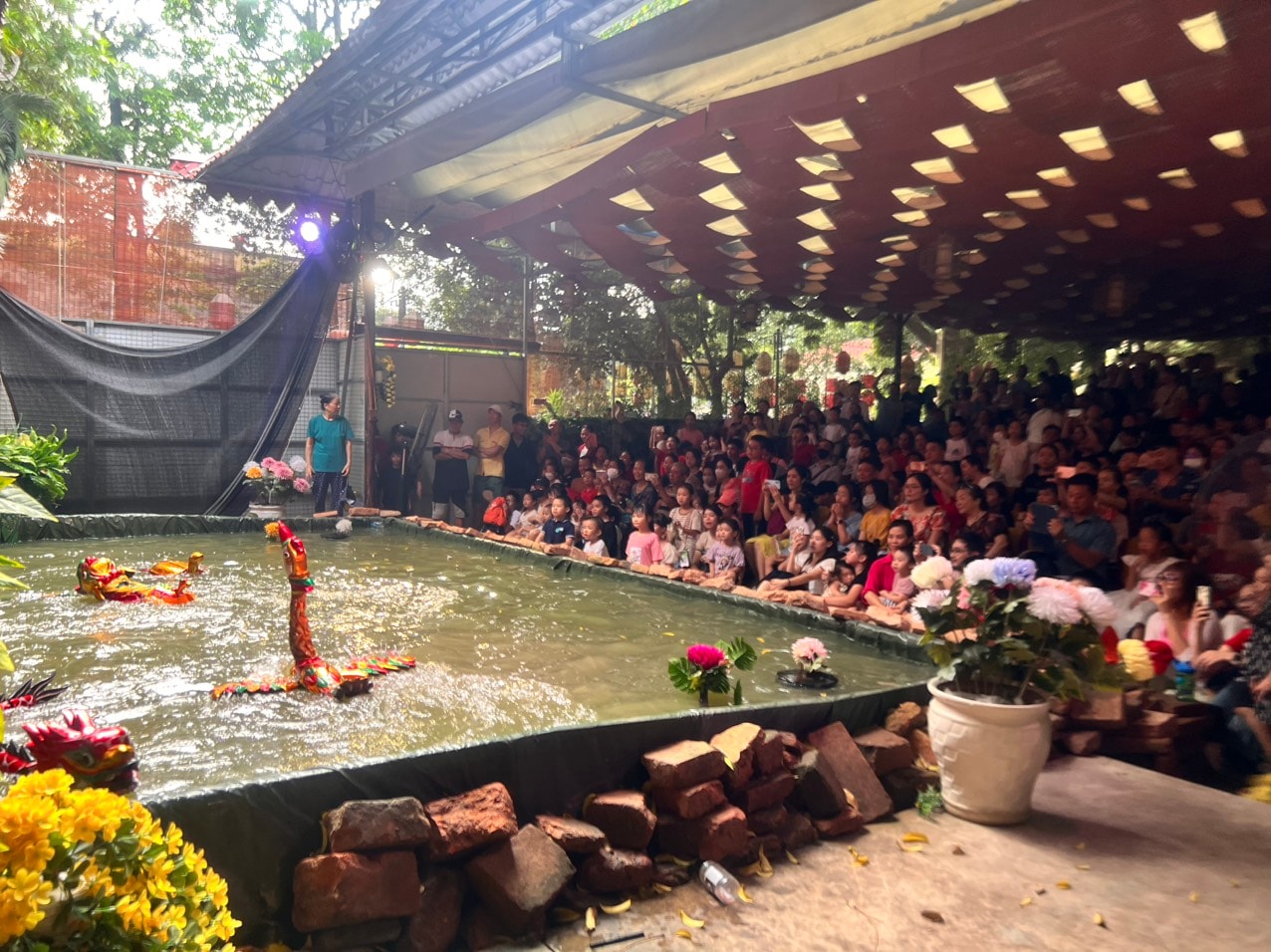
Free water puppet performances at the Thang Long Imperial Citadel
5. Hang Ma Street During Tet – A Must-Visit Spot in Hanoi’s Old Quarter
During the Lunar New Year, Hang Ma Street in Hanoi’s Old Quarter becomes one of the most vibrant places to experience the festive atmosphere of Tet. Famous for its colorful decorations, red lanterns, lucky envelopes, artificial peach blossoms, and traditional ornaments, Hang Ma is where locals shop to prepare for the New Year. Located just a short walk from Hoan Kiem Lake, the street offers visitors a lively cultural scene, countless photo opportunities, and a glimpse into how Hanoians celebrate Tet. For travelers exploring Tet in Hanoi, a stroll along Hang Ma Street is an easy and unforgettable way to feel the spirit of the holiday.
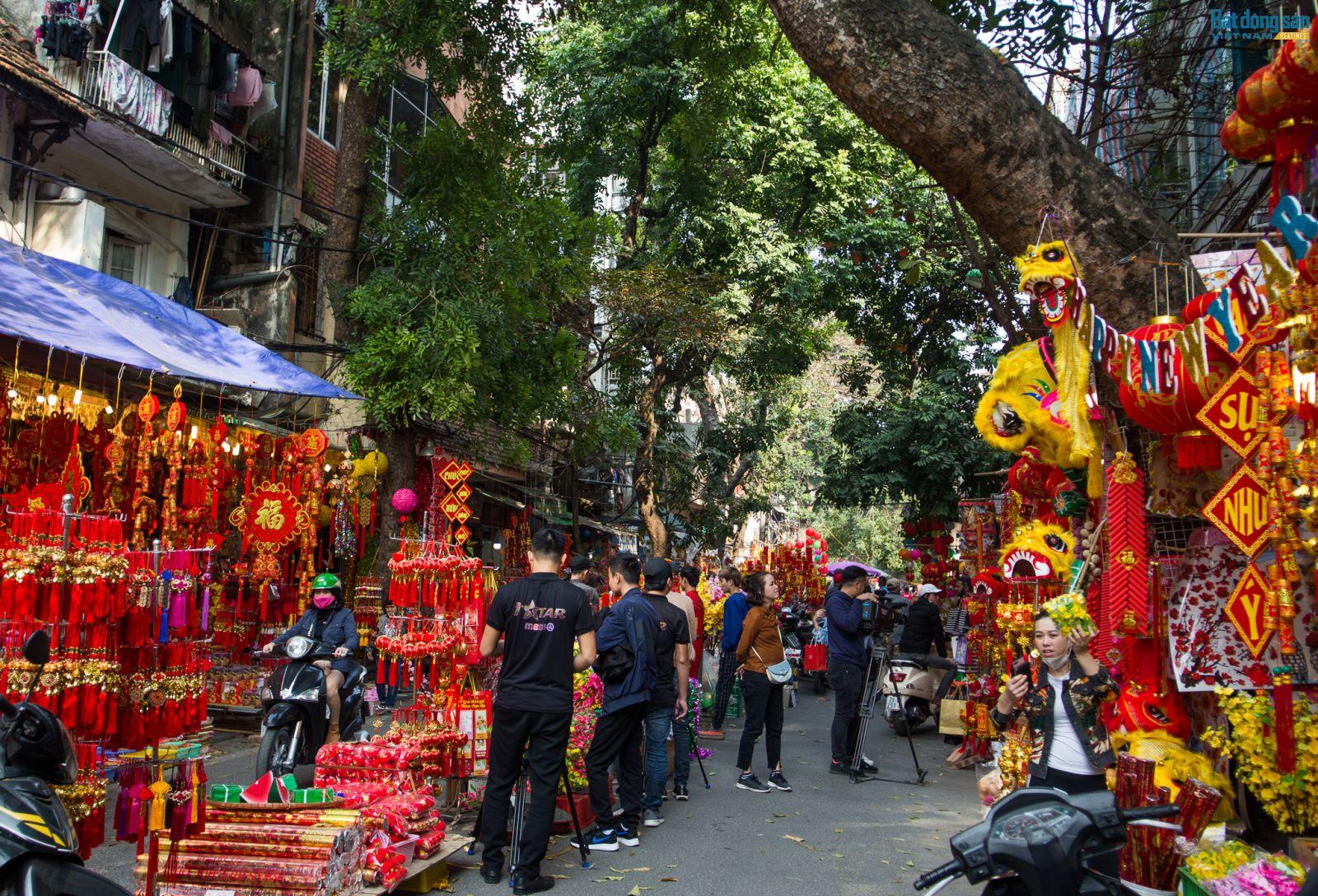
6. Visiting Pagodas in Hanoi During Tet – A Peaceful New Year Tradition
During the first days of Lunar New Year, many Hanoians visit pagodas to pray for health, harmony, and good fortune. In Hanoi, temples such as Tran Quoc Pagoda, Quan Su Pagoda, and Ngoc Son Temple welcome streams of visitors carrying incense and flowers, creating a serene yet vibrant atmosphere.
For locals, this tradition is not only about making wishes but also about finding inner peace and starting the year with a calm, positive mindset. For travelers, visiting a Hanoi pagoda during Tet offers a meaningful glimpse into the city’s spiritual life and long-standing cultural values.
Beyond pagodas, visitors spending Tet in Hanoi should not miss the Thang Long Four Sacred Temples (Thang Long Tu Tran) — four historic temples believed to protect the ancient capital from the four cardinal directions. Dating back to the Ly Dynasty (11th century), these temples are deeply connected to Hanoi’s thousand-year-old history and spiritual identity.
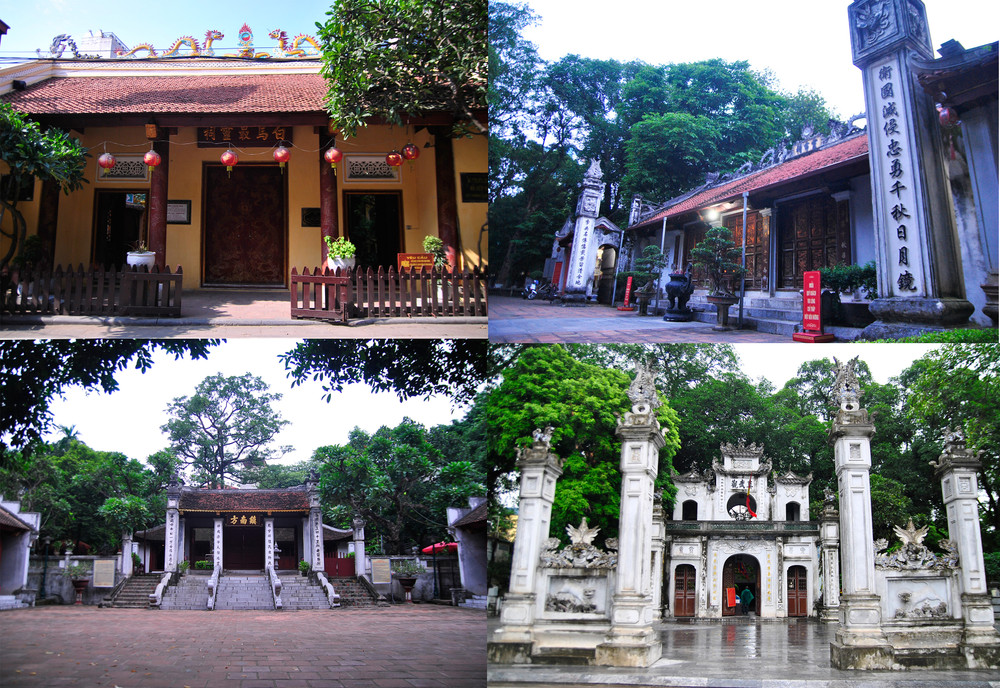
Thang Long Four Sacred Temples (Thang Long Tu Tran)
7. Strolling and Taking Tet Photos in the Old Quarter
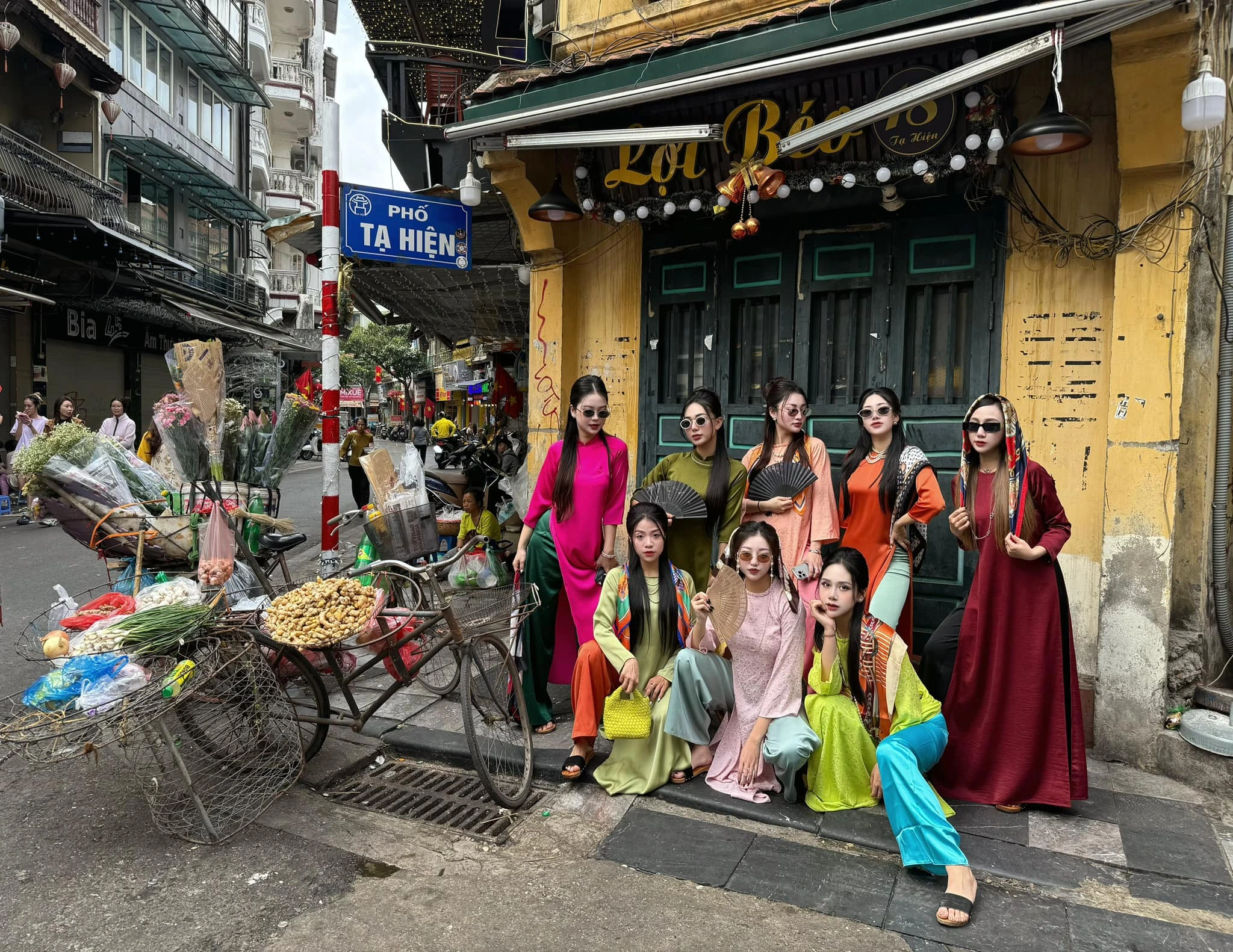
Wearing traditional Vietnamese costumes, visitors can enjoy memorable photo sessions at heritage sites such as the Thang Long Imperial Citadel, Kim Ngan Communal House, or the Phung Hung mural street. Streets like Hang Ma, Hang Buom, and Hang Dao also become popular check-in spots, glowing with vibrant spring colors and festive Tet decorations.